When hospitals in Bangladesh evaluate furniture suppliers, price and delivery timelines tend to dominate the conversation. Regulatory approval often gets treated as a formality — a certificate to file away rather than a factor that should actively shape the buying decision. That’s a mistake. DGDA-approved medical furniture isn’t just a compliance checkbox; it’s one of the clearest signals a hospital has that a supplier’s materials, manufacturing process, and safety claims have actually been independently verified.
This article explains what DGDA approval means in practice, why it matters specifically for furniture rather than just pharmaceuticals or diagnostic devices, and what hospitals should be checking before signing a purchase order.
What Is the DGDA, and Why Does It Regulate Furniture?
The Directorate General of Drug Administration (DGDA) operates under Bangladesh’s Ministry of Health and Family Welfare and serves as the country’s primary regulatory authority for pharmaceuticals, medical devices, and related health products. Its mandate covers the import, production, distribution, and sale of these categories, with the underlying goal of ensuring quality, safety, and efficacy before products reach hospitals and patients.
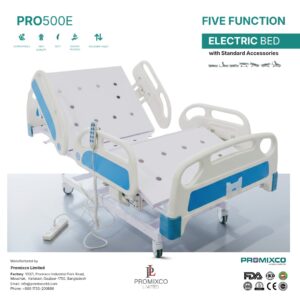
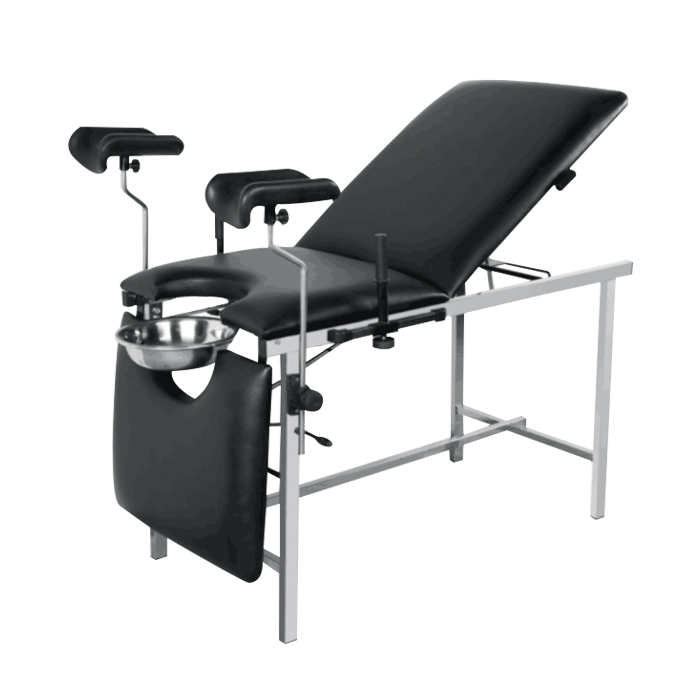
Medical devices in Bangladesh — a category that includes many types of clinical furniture, from hospital beds to examination tables to ICU-grade equipment — are classified into risk categories from A through D, reflecting increasing levels of risk. This classification determines exactly which regulatory pathway a manufacturer must follow, including which technical documentation, quality certifications, and manufacturing evidence must be submitted before approval is granted.
Furniture that comes into direct, sustained contact with patients — particularly beds and equipment used in ICU, surgical, and high-dependency settings — falls squarely within this regulatory scope precisely because failure or poor design in these products carries real clinical consequences.
What DGDA Approval Actually Verifies
It’s worth being specific about what approval actually confirms, since the term gets used loosely in marketing materials. A genuine DGDA approval process typically involves:
Document and technical review. Manufacturers submit detailed product information, technical specifications, and manufacturing details, which the DGDA evaluates for compliance with established regulatory requirements before any approval is issued.
Facility inspection where warranted. For higher-risk classifications, the DGDA can and does inspect manufacturing facilities directly to verify compliance with Good Manufacturing Practices, rather than relying solely on paperwork.
Quality system certification. Depending on device classification, manufacturers are often required to hold ISO 13485 certification — the internationally recognized quality management standard specific to medical device manufacturing — as part of the registration package.
Ongoing regulatory standing. Registration certificates are issued for a defined validity period and require renewal, meaning approved status reflects an ongoing regulatory relationship rather than a one-time certificate that never gets revisited.
In short, DGDA approval means a manufacturer’s claims about materials, construction, and safety have gone through independent scrutiny — not just a marketing brochure’s word for it.
Why This Matters More for Furniture Than Buyers Often Assume
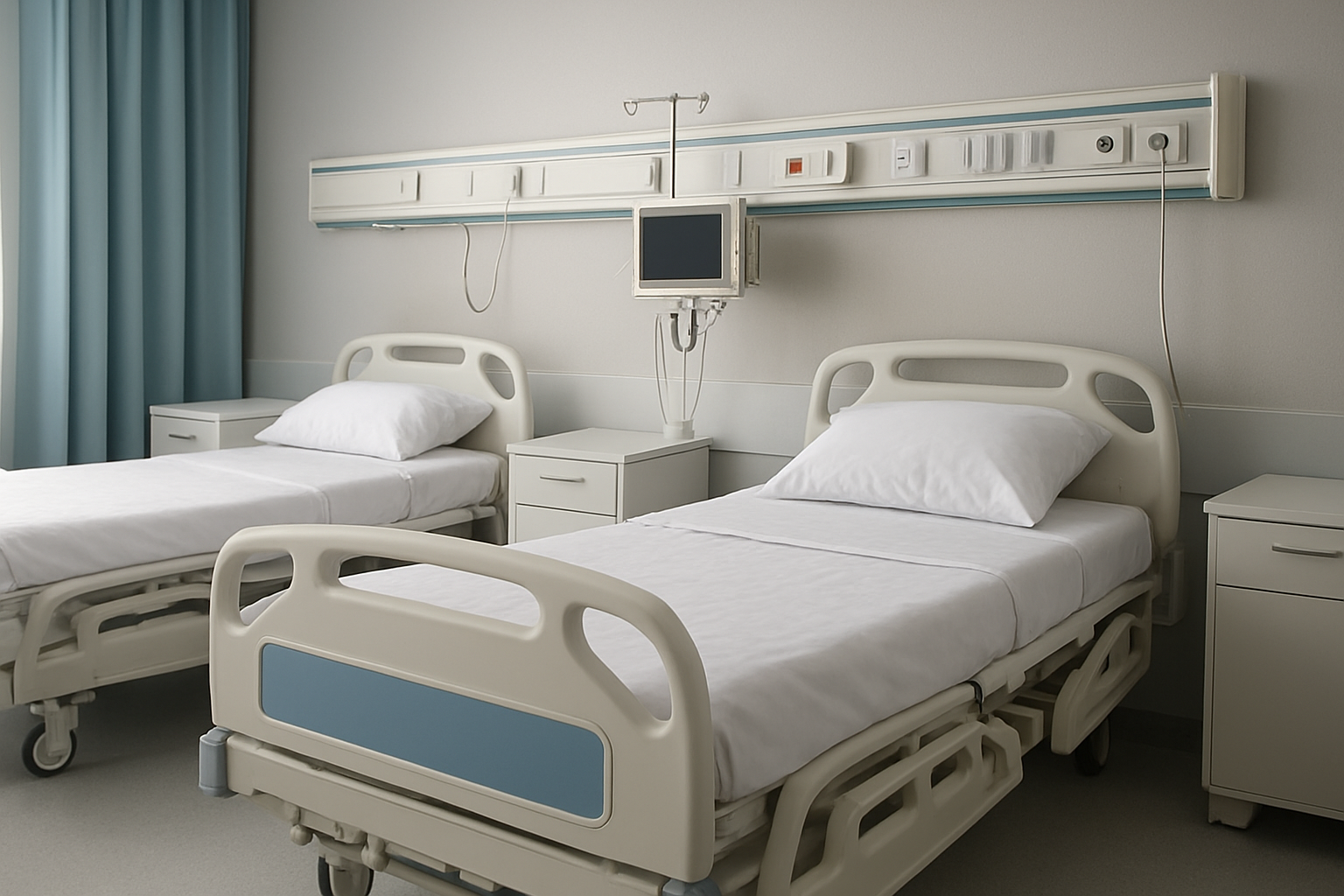
Patient safety is directly on the line. Hospital beds, ICU equipment, and examination furniture bear repeated, sustained patient contact and load-bearing stress. A structural failure, an unreliable locking mechanism, or a poorly designed side rail isn’t a minor defect — it’s a direct patient safety incident waiting to happen.
Liability exposure is real. In the event of a patient injury linked to equipment failure, a hospital’s ability to demonstrate that furniture was sourced from a properly regulated, approved manufacturer materially changes its liability position compared to having purchased from an unregistered or unverified supplier.
Accreditation and audits depend on it. Hospitals pursuing accreditation, insurance partnerships, or periodic regulatory inspections are increasingly expected to demonstrate that clinical equipment and furniture — not just pharmaceuticals — come from properly registered, compliant sources.
Quality consistency across orders. A manufacturer operating under DGDA oversight and ISO 13485 quality management is far more likely to produce consistent quality across batches and years, compared to a supplier with no formal quality system holding it accountable.
Red Flags to Watch For When a Supplier Claims Approval
Not every claim of “certified” or “approved” furniture reflects genuine DGDA registration. Hospitals evaluating suppliers should watch for:
- Vague or unverifiable certification claims with no registration number or certificate the hospital can independently confirm.
- Confusing DGDA approval with unrelated certifications — a general business license or an export certificate from another country is not the same as Bangladeshi medical device registration.
- Reluctance to share documentation. A supplier confident in its regulatory standing should have no issue providing registration details for verification.
- No clear device classification. Since Bangladesh classifies devices by risk category, a legitimate registered manufacturer should be able to explain exactly which classification its furniture falls under and what that required.
What Hospitals Should Ask Suppliers Before Purchasing
- Is the specific product line DGDA-registered, not just the company in general? Registration is often product- and classification-specific.
- What is the device classification, and does the documentation align with what that classification requires?
- Is the manufacturer ISO 13485 certified? This is typically required for the risk categories that most clinical furniture falls into.
- Can the supplier provide registration certificate details for independent verification rather than just a verbal assurance?
- How is quality maintained across production runs, and what internal quality control processes are in place beyond the initial approval?
The Business Case, Not Just the Compliance Case
Hospitals sometimes treat regulatory approval as a cost center — an extra hurdle that adds friction and possibly expense to procurement. In practice, it tends to work the other way. Furniture from properly regulated, quality-controlled manufacturers generally lasts longer, fails less often, and creates fewer downstream liability and reputational risks than furniture bought purely on the basis of the lowest quote.
For hospital administrators building long-term capital equipment plans, prioritizing DGDA-approved medical furniture isn’t an added cost — it’s a form of risk management that pays for itself the first time it prevents a safety incident, a failed audit, or a liability claim that a properly verified product would never have caused.
Final Thoughts
As Bangladesh’s healthcare infrastructure continues to expand, the gap between properly regulated manufacturers and unverified suppliers matters more, not less. DGDA-approved medical furniture gives hospitals a genuine, independently verified baseline of safety and quality — one that protects patients, protects institutions from liability, and simplifies the compliance conversations that only get harder to have after something has already gone wrong. For any hospital serious about long-term patient safety and operational integrity, regulatory approval deserves the same scrutiny as price and delivery time — not less.